Utah Olympic Park (Park City): The Heart of the Legacy
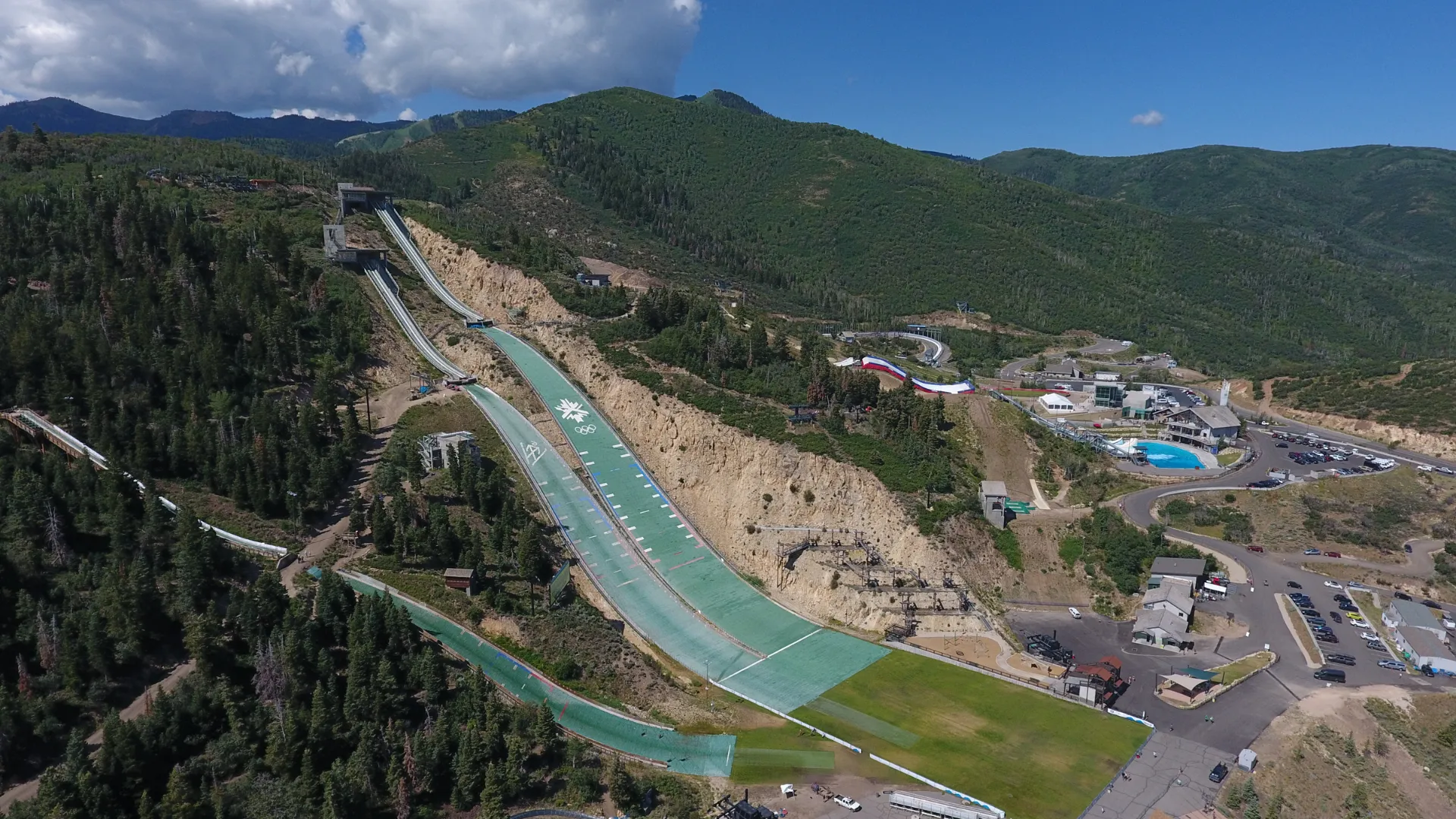
Distance from Newpark: 5 minutes If you start anywhere, start here. Built for the 2002 Games and set just down the road from Newpark, Utah Olympic Park (UOP) is a 400-acre complex with one of only four sliding tracks in North America, six Nordic ski jumps, and two excellent museums. On any given day, you might watch ski jumpers fly, bobsled pilots train, or youth teams learning their craft.What to do
- Tour & Museums: Inside the Joe Quinney Winter Sports Center, you’ll find the Alf Engen Ski Museum and the George S. and Dolores Doré Eccles 2002 Olympic Winter Games Museum. Each museum has interactive, kid-friendly exhibits that make history feel fresh. Tickets to the museum are free with venue admission.
- Summer Thrills (May–October): Grab a Gold Pass for a 3.5-hour session and lap the alpine slide, extreme tubing, ziplines, and ropes courses. It’s the most efficient way to sample the park’s “greatest hits.” Expect to pay around $80–$99 per session.
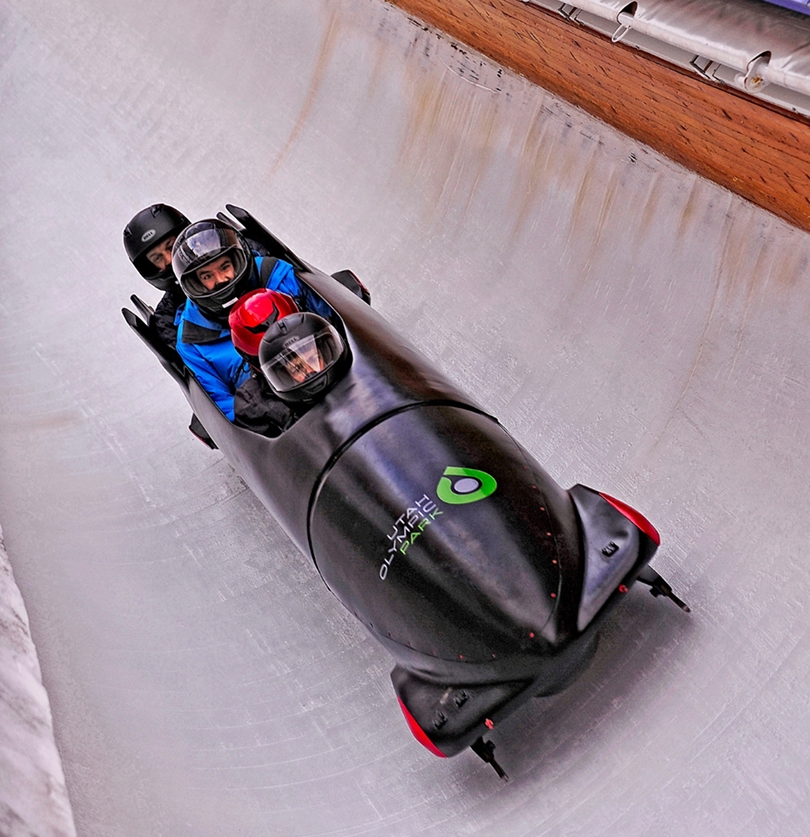
- Year-Round Bobsled: Yes, you can ride the Olympic sliding track with a pro-pilot. It’s fast, physical, and unforgettable. Be sure to book ahead, though, as rides run around $200–$250 per person and sell out quickly.
- Watch Training: Many athlete training sessions are free to view, especially ski jumping. It’s a quick hit of “wow” between other Park City activities as you watch future Olympians hit the slopes, making it perfect for all ages and abilities.
Soldier Hollow Nordic Center (Midway): Nordic Spirit, Big Views
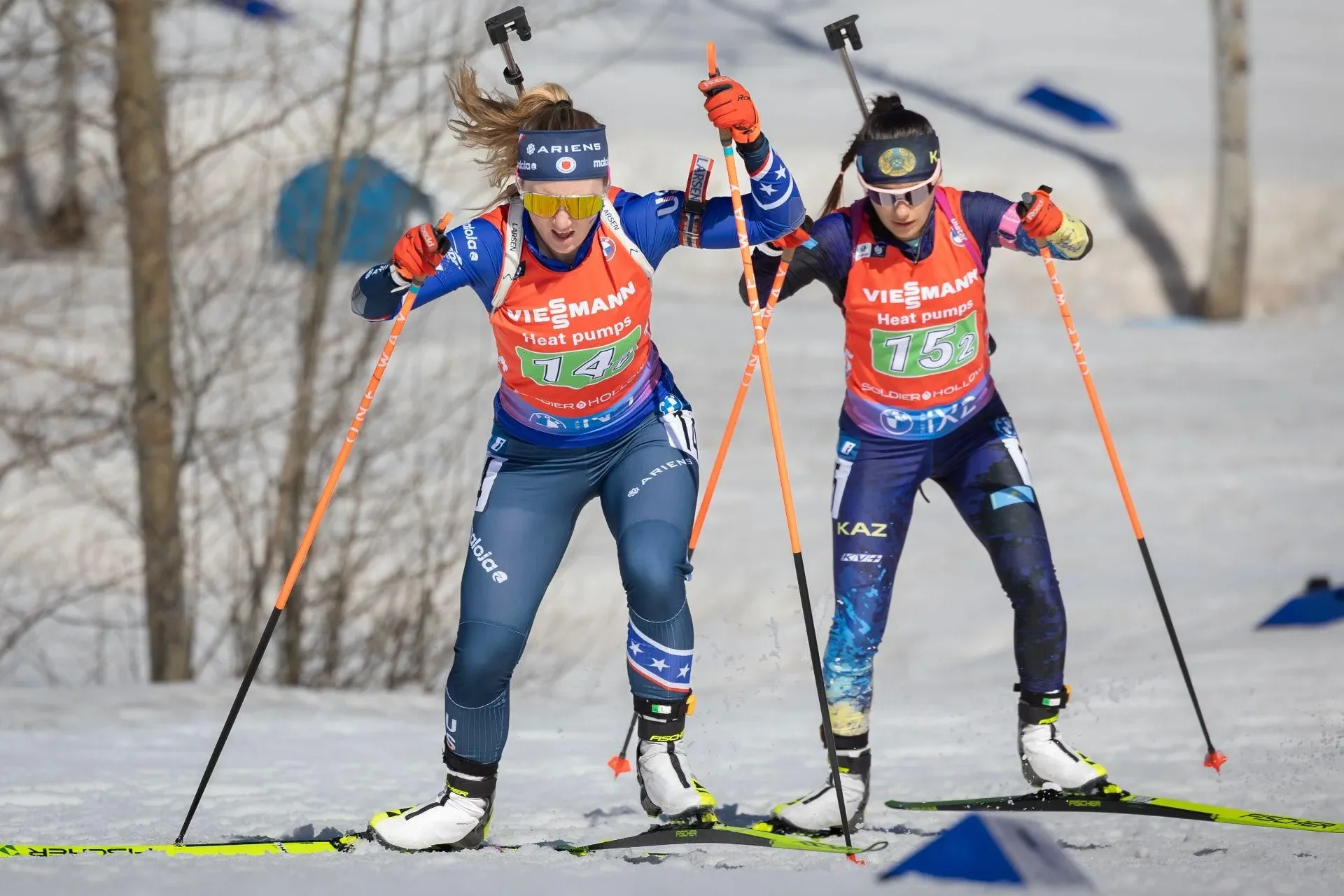
Distance from Newpark: 35–40 minutes Tucked above Midway in Wasatch Mountain State Park, Soldier Hollow hosted cross-country and biathlon in 2002 and remains a hub for Nordic sport today. In winter, it’s home to one of Utah’s most popular tubing hills, featuring long lanes, lift service, and night sessions from December through February. Moreover, Soldier Hollow offers a full network of groomed cross-country trails suitable for beginners through experts. In the summer, you’ll find events, clinics, and green-season trail time. Why go: It’s a family-friendly day trip with Olympic pedigree and approachable options for every energy level—glide on Nordic trails, send a few tubing laps, then wander Midway’s Swiss-inspired main street. Trail passes typically cost $15–$25, while tubing sessions range from $25 to $50.Utah Olympic Oval (Kearns): The “Fastest Ice on Earth”
Distance from Newpark: 40–45 minutes Forty minutes west of Park City, the Utah Olympic Oval is where speed skating legends set 10 Olympic records during the 2002 Games, and where you can lace up for public skating on a world-class 400-meter oval. The facility hosts national-team training and major competitions, and has been nicknamed the “Fastest Ice on Earth.”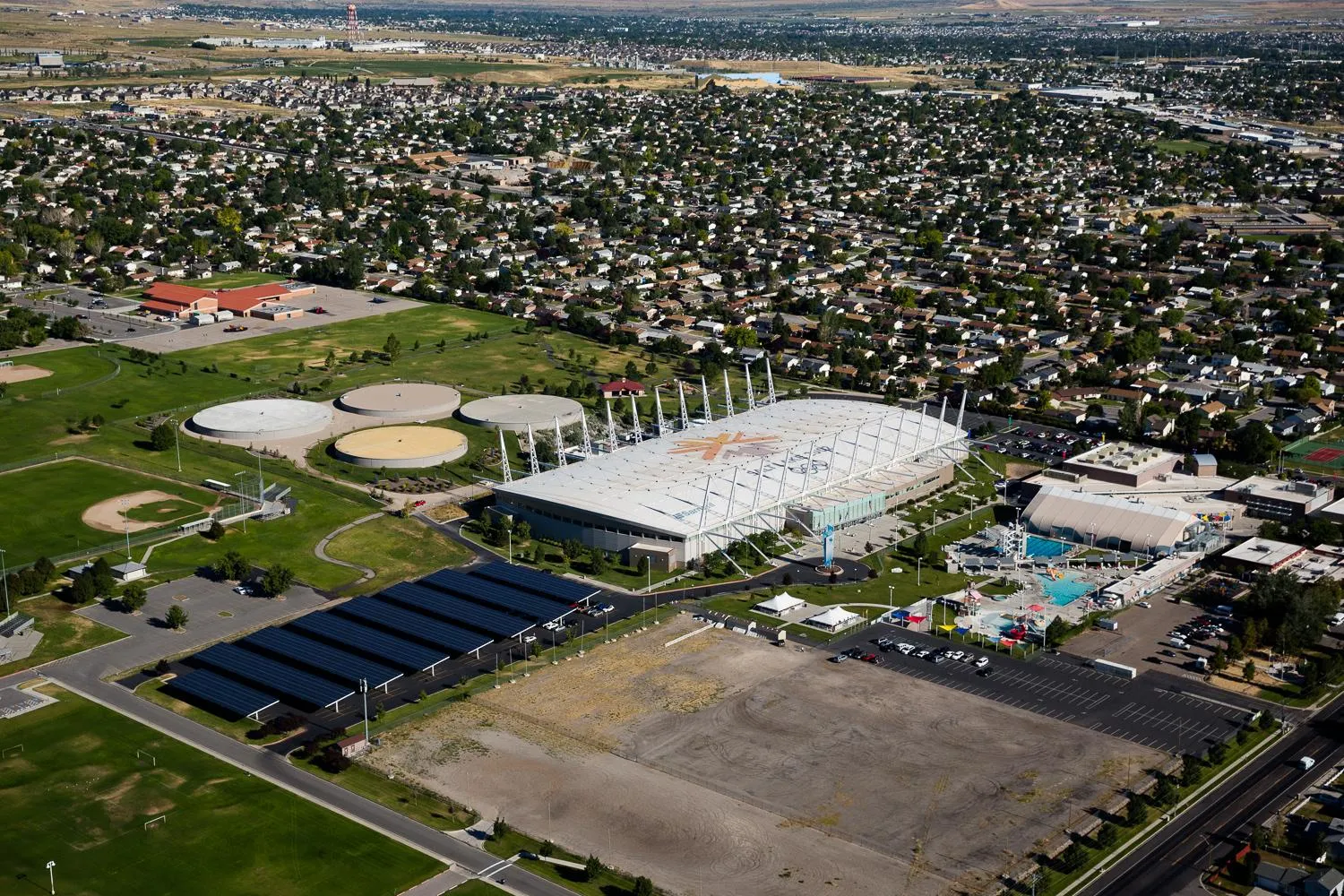
Why go: Skating where American Apolo Ohno, Canadian Catriona Le May Doan, and others made history is a bragging right, even if you cling to the boards for the first lap. Public skating sessions run year-round, and skate rentals are provided. Check the Oval’s calendar for public sessions or to catch a World Cup match over the weekend. If you are not an Olympic-level skater, don’t worry! The Oval is beginner-friendly and also allows opportunities to learn how to curl.
Rice-Eccles Stadium & the Olympic Cauldron (Salt Lake City)
Distance from Newpark: 30 minutes The Opening and Closing Ceremonies of 2002 took place here, and today the Olympic & Paralympic Cauldron Plaza sits just outside the stadium with exhibits, plaques, and the refurbished cauldron itself—rebuilt with LED lighting and designed for year-round public access. It’s a quick and satisfying stop on a day in Salt Lake City. How to do it: Park on campus (follow posted visitor parking rules), stroll the plaza, and grab a photo with the cauldron. Free to visit. If you’re timing a University of Utah event, plan a bit of extra time—the whole area buzzes on game days.Ski the Olympic Runs
The most “pinch me” way to touch the legacy is to ski where the best in the world raced and performed. Three resorts make that especially easy:Deer Valley Resort (Park City)
Distance from Newpark: 15 minutes Deer Valley staged freestyle events in 2002 and still hosts one of the most electric FIS Freestyle World Cups each winter—under the lights, with crowds that feel more like a concert than a ski race. On a normal ski day, you can ski the exact terrain:- Champion Run (moguls)
- White Owl Run (aerials)
- Know You Don’t (freestyle skiing)
Park City Mountain
Distance from Newpark: 10 minutes Park City Mountain hosted snowboarding (halfpipe and parallel giant slalom) and giant slalom events in 2002. Today you can still ski:- Eagle Race Arena (giant slalom)
- Terrain around the Eagle Superpipe, where snowboarders launched their Olympic runs
Snowbasin (Ogden area)
Distance from Newpark: 60 minutes About an hour from Park City, Snowbasin was the stage for the alpine speed events—Downhill, Super-G, and Combined—on two legendary courses designed by Olympic champion Bernhard Russi:- Grizzly Downhill Course (men’s alpine)
- Wildflower Downhill Course (women’s alpine)
Where Tomorrow’s Olympians Train
Utah isn’t just a museum of 2002—it’s the daily home base for U.S. Ski & Snowboard and a magnet for national and international teams that come for altitude, facilities, and snow. The USANA Center of Excellence in Park City anchors the program just a few miles from Newpark. Between Utah Olympic Park, Deer Valley, and the Oval, it’s common to catch elite training on any given week. Keep an eye on local calendars for events like the Springer Tournee (a summer ski-jumping festival in August) or FIS competitions across the Wasatch—fun, approachable, and very spectator-friendly.Looking Ahead: Salt Lake City–Utah 2034
The IOC has officially awarded the 2034 Winter Olympic and Paralympic Games to Salt Lake City–Utah. The plan prioritizes existing venues (many you’ll visit on this itinerary), sustainability, and an athlete- and fan-first experience. For travelers, the takeaway is simple: you can already feel the buildup. Schedules get busier, venues stay event-ready, and the stories you gather now will make watching 2034 that much sweeter.Plan Your Olympic Adventure: 5-Day Itinerary
If you’d like to turn your trip into a full Olympic immersion, here’s a suggested 5-day itinerary from Newpark Resort—complete with the exact runs and venues where history was made.Day 1 – Utah Olympic Park & Park City Welcome
- Explore the Eccles Olympic & Alf Engen Ski Museums.
- Ride ziplines, alpine slides, or watch ski-jump training.
- Dinner in Kimball Junction; unwind in Newpark’s hot tub.
Day 2 – Ski Deer Valley or Park City Mountain
- Deer Valley: Ski the Champion Run (moguls), White Owl Run (aerials), or Know You Don’t (freestyle).
- Park City Mountain: Carve down Eagle Race Arena (giant slalom) or ride near the Eagle Superpipe area (snowboarding).
- Après at No Name Saloon or High West Distillery on Historic Main Street.
Day 3 – Soldier Hollow Nordic & Heber Valley
- Cross-country ski or tube Olympic hills at Soldier Hollow.
- Afternoon soak at Homestead Crater.
- Dinner in Midway—try Blue Boar Inn or Cafe Galleria.
Day 4 – Salt Lake City Venues
- Public skate at the Utah Olympic Oval.
- Visit the Rice-Eccles Olympic Cauldron Plaza.
- Explore Salt Lake City sights—Temple Square, Natural History Museum, or the Gateway.
Day 5 – Snowbasin Adventure
- Ski the legendary Grizzly Downhill Course (men’s alpine) or Wildflower Course (women’s alpine).
- Lunch at Needles Lodge or Earl’s Lodge.
- Return to Newpark for a final evening soak.